What is Curve Finance? The DEX behind Convex explained
Written by Convex Guide Editorial Team
· Fact-checked · 6 min read
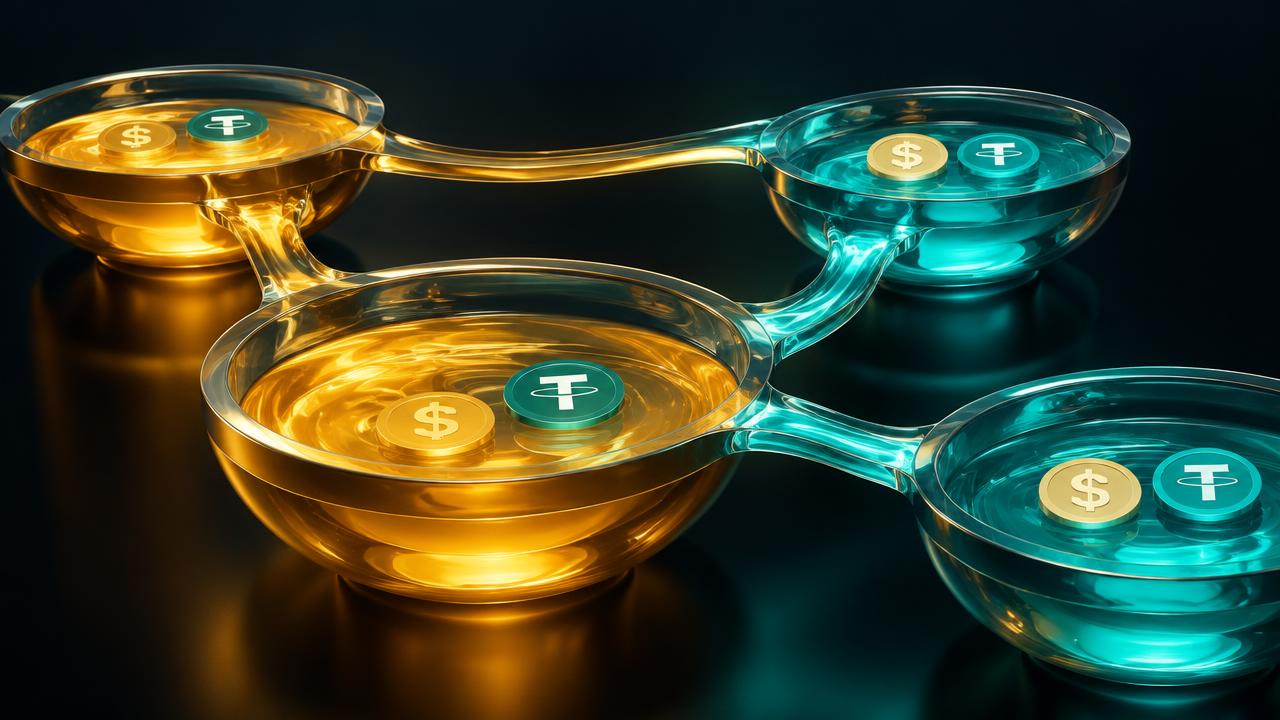
Curve Finance explained: stablecoin swaps, liquidity pools, the CRV token, veCRV locking, gauges and boosting — and why Convex is built on top of it.
Curve in one sentence
Curve Finance is a decentralized exchange (DEX) optimised for swapping assets that should trade at similar prices — stablecoins like USDC and USDT, or ETH and liquid staking tokens like stETH. Its pricing curve keeps slippage very low for these pairs.
How liquidity pools work
Instead of an order book, Curve uses pools. Liquidity providers (LPs) deposit tokens into a pool and receive LP tokens in return. Traders swap against the pool and pay a small fee, which is shared with LPs.
The CRV token and gauges
On top of trading fees, Curve pays LPs in CRV. Each pool has a gauge, and the share of weekly CRV emissions it receives depends on its gauge weight — decided by votes.
veCRV: locking for power and boost
CRV holders can lock CRV for up to four years to get veCRV. veCRV gives voting power over gauge weights, a share of protocol fees, and a boost of up to 2.5× on the holder's own LP rewards.
Why Convex exists
Getting the maximum boost requires a lot of veCRV relative to your liquidity. Convex pools veCRV from many users so that every LP gets a high boost without locking CRV — read how it works on our How Convex works page.
Key takeaways
- Curve = low-slippage DEX for similar-priced assets.
- CRV emissions are split by gauge votes.
- veCRV = votes + fees + up to 2.5× boost.
- Convex shares a pooled veCRV boost.
Related guides

11 min read
The Curve Wars explained: why protocols fight for CRV votes
What are the Curve Wars? How gauge votes direct CRV emissions, why Convex became the kingmaker, how vote incentives work and what it means for users.
Read guide →
10 min read
cvxCRV staking guide: how to convert CRV and earn rewards
Step-by-step guide to cvxCRV: what it is, how to convert and stake CRV, where rewards come from, the 10% fee share, the one-way conversion and how to exit.
Read guide →