Is Convex Finance safe? Risks, audits and best practices
Written by Convex Guide Editorial Team
· Fact-checked · 9 min read
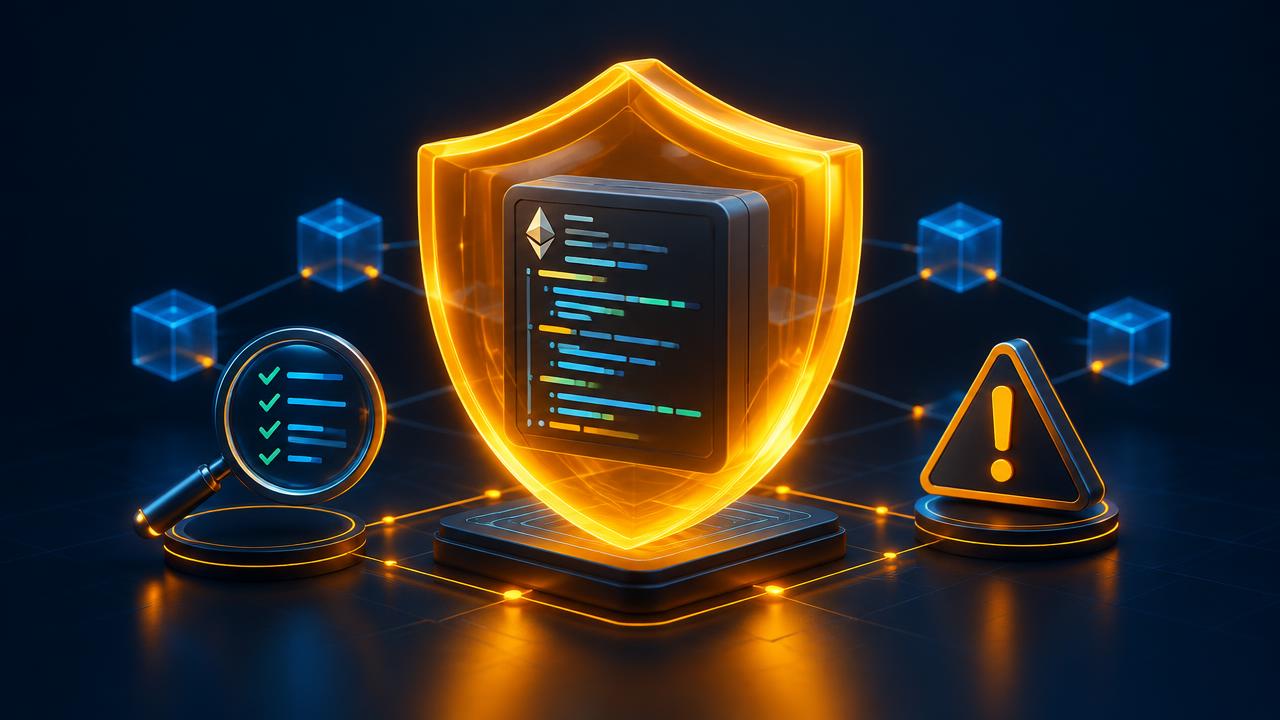
An honest look at Convex Finance risks: smart contracts, admin multisig rights, cvxCRV peg, CVX volatility, lock illiquidity and phishing — and how to reduce them.
Short answer
Convex has been running on Ethereum since 2021, its contracts are open-source and have been audited, and it has managed very large sums. That track record is meaningful — but it does not make the protocol risk-free. Every DeFi position carries several layers of risk at once.
Smart contract risk
Your funds pass through both Curve and Convex contracts. A bug in either one could lead to a loss. Convex's code is public on GitHub, which lets anyone review it, but no audit can guarantee there are no undiscovered vulnerabilities.
Admin and multisig rights
Convex publishes which actions its multisig can take. These include adjusting fee parameters within set ranges (for example 10–15% for cvxCRV stakers and 3–6% for CVX stakers), adding reward types, and changing some vlCVX settings. Admins cannot simply take user deposits, but these powers are a governance risk you should understand.
Market risks
- cvxCRV peg: it can trade below CRV because conversion is one-way.
- Volatility: CVX and CRV prices can fall sharply.
- Depeg risk: stablecoins inside Curve pools can lose their peg.
- Yield risk: rewards change with trading volume and incentive demand.
Lock and liquidity risk
vlCVX is locked for at least 16 weeks. During that time you cannot sell, even in a market crash. cvxCRV is liquid, but the exit price depends on pool depth.
Phishing and operational risk
The biggest real-world losses for users often come from fake websites, malicious token approvals and wallet compromises — not from the protocol itself.
Checklist to protect yourself
- Bookmark the official site and never use links from ads or DMs.
- Use a hardware wallet for significant amounts.
- Review and revoke unused token approvals regularly.
- Start with a small test transaction.
- Diversify and never invest more than you can afford to lose.
Key takeaways
- Long track record and open code, but non-zero risk.
- Understand admin powers, peg and lock risks.
- Most user losses come from phishing — protect your wallet.
Related guides
10 min read
cvxCRV staking guide: how to convert CRV and earn rewards
Step-by-step guide to cvxCRV: what it is, how to convert and stake CRV, where rewards come from, the 10% fee share, the one-way conversion and how to exit.
Read guide →
11 min read
The Curve Wars explained: why protocols fight for CRV votes
What are the Curve Wars? How gauge votes direct CRV emissions, why Convex became the kingmaker, how vote incentives work and what it means for users.
Read guide →